
The beautiful and durable quartz countertops need appropriate care methods to preserve their shiny finish in kitchens and bathrooms. The correct methods for cleaning quartz countertops need to be known by all homeowners because they face various types of stains in their everyday cleaning tasks. You are at the right place if you want to learn how to clean quartz countertops. We have compiled a complete guide addressing Long Island residents’ needs for understanding quartz countertop cleaning methods as well as suitable products with surface protection strategies. So, let’s discuss this in detail.
What Are Quartz Countertops?
Engineered stone surfaces known as quartz countertops consist of natural quartz crystals that receive mixing treatment with resins before pigment addition. Quartz material features a strong resistance to staining and scratching. It prevents bacterial growth because it does not have pores. Inappropriate care procedures cause quartz surfaces to develop discolorations and diminish their shine when used over an extended period. That’s why it is important to clean your quartz countertops.
Why Proper Cleaning of Quartz Countertops Matters
Long Island residents prefer quartz countertops because they are durable and show an attractive finish while being resistant to permeability. The proper care for preserving the shine and cleanliness of quartz surfaces requires specific cleaning procedures. The wrong cleaning agents applied to quartz surfaces will eventually result in surface damage and dullness, along with leaving permanent stains. If you want your quartz countertops to last for years with the same shine it is imprtant to do proper cleaning of quartz countertops.
Daily Cleaning Routine for Quartz Countertops
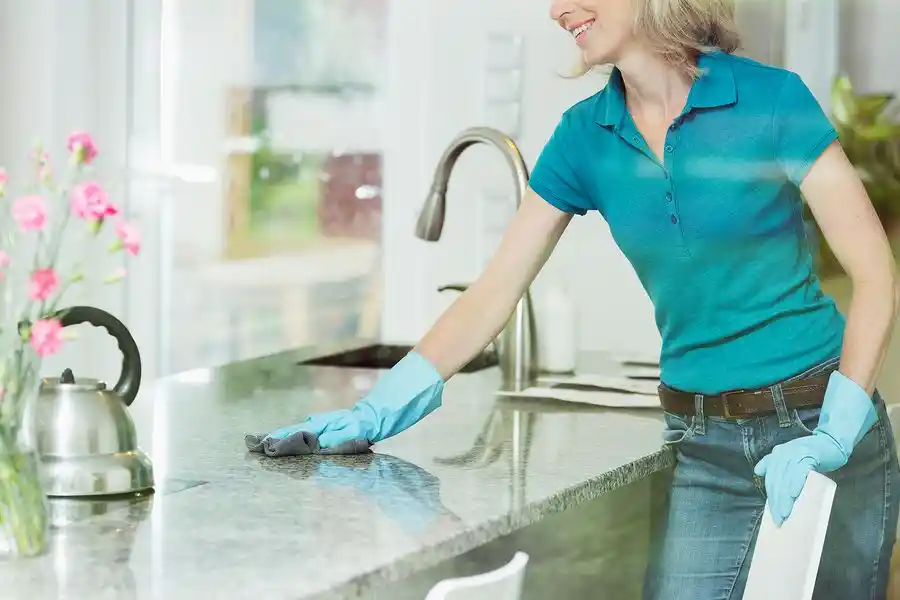
For a daily cleaning routine for quartz countertops you should use mild dish soap combined with warm water while cleaning with a soft microfiber cloth. When combined with water and dish soap, this method removes dirt without causing any surface marks. Using abrasive sponges or scrubbers will lead to finish dulling on quartz surfaces. A damp cloth serves as the best option for fast countertop cleaning.
Pro Tip: Living as a Long Island resident means most people encounter the widespread occurrence of hard water in region. Quickly dry the surfaces after cleaning to stop mineral buildup.
How To Clean Stains on Quartz Countertops
Quartz countertops are resistant to staining, but the material cannot completely defend against stains. Quartz surfaces will develop difficult-to-remove stains whenever spills accumulate beyond a short period. Quartz countertops require the following effective stain removal procedure:
Coffee, Wine, or Juice stains
The basic solution to remove coffee, wine, or juice stains consists of water combined with baking soda to create a paste. Dip a cleaning cloth in the paste mixture of water and baking soda and apply it to the stain for 10 minutes before wiping with a damp cloth.
Grease and Oil
For grease and oil, use a degreasing cleaner that is safe for quartz countertops. The solution requires application to stains and letting it rest for some time before removing it with clean wiping motions.
Ink Stain Marks
An alcoholic solution on a delicate cloth can dissolve ink stain marks while keeping quartz surfaces intact.
Hard Water Stains
A solution combining equal white vinegar and water should be used on hard water stains, yet you need to watch the exposure time carefully. Wipe it off with a clean sponge.
What to Avoid:
- Traditional cleaners should be avoided because their high acidity or basic levels cause deterioration of quartz resin.
- Steel wool and scouring pads should never be used because they will scratch the surface.
The Best Way to Clean Quartz Countertops Without Damaging Them
The durability of quartz surfaces requires avoiding specific types of cleaning materials that lead to harm. The following advice should be followed to maintain quartz countertops properly:
- Crystal requires the avoidance of chemical cleaners, which include bleach and ammonia and any solution with high acidity.
- No abrasive scrubs should be used, and avoid steel wool or rough scrubbing pads.
- The chemicals in Clorox wipes will break down quartz resin when used on the countertops because of their neutralizing effects.
- Quartz surfaces resist porosity, yet spillovers should be eliminated quickly because extended contact can discolor the surface.
What to Clean Quartz With: Recommended Products
The best choice for cleaning quartz countertops consists of these recommended products:
- Mild dish soap with warm water
- pH-balanced quartz cleaners (such as Method or Weiman Quartz Cleaner)
- Microfiber cloths or soft sponges
- Isopropyl alcohol (for deep cleaning and disinfection)
DIY Quartz Cleaner Recipe:
- 1 cup warm water
- 1 teaspoon mild dish soap
- 1 tablespoon rubbing alcohol
Combine the above substances in a spray bottle to maintain as a daily-use solution.
Sealing Quartz Countertops
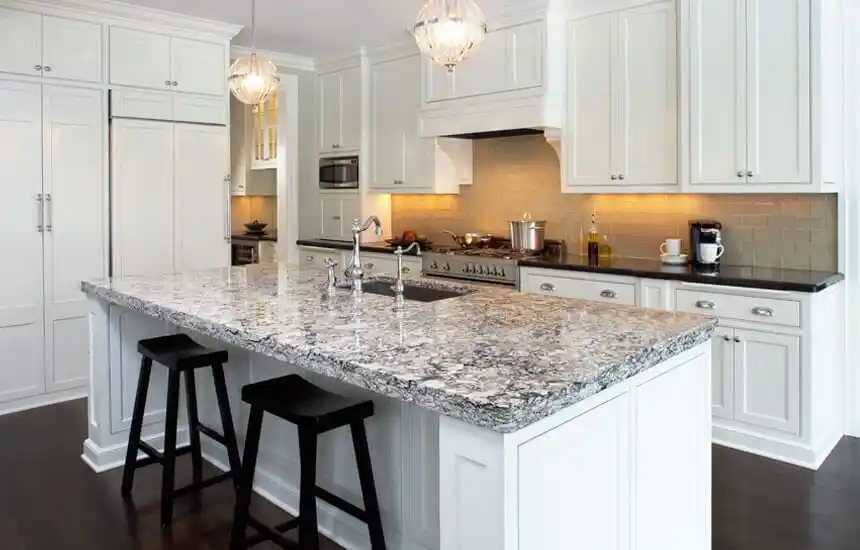
Most people often ask, “Do Quartz countertops require sealing? The answer is no! Quartz maintains its watershield properties because it has a non-porous structure due to engineering processes that prevent staining without needing maintenance sealants. You can eliminate both time expenses and spending money since this step is unnecessary. Quartz countertops do not need any type of sealing treatment since they differ from granite and other stone countertops.
Preventing Damage To Your Quartz Countertops
The following measures will help your quartz counters last longer and prevent them from damage:
- Cutting Boards should be used since they prevent scratching the countertop.
- Your quartz surfaces can withstand heat exposure yet lack foolproof protection. Hot pans should never be placed directly on top of the quartz surface.
- The prolonged contact between acidic substances, including lemon juice or vinegar, with quartz surfaces will result in finish deterioration.
- The impact of heavy objects on quartz surfaces may produce cracking, which leads to the development of chips.
- Keeping quartz surfaces dry is crucial since water resistance does not protect against mineral accumulation or dull markings formation.
Can You Use Clorox Wipes On Quartz?
No, people should avoid using Clorox wipes frequently to clean their quartz countertops since these products are unsuitable for regular use on this material. Clorox wipes deteriorate quartz resin because they contain bleach and harsh substances that cause surface deterioration or dullness. You should select a quartz cleaner designed without abrasives since this will give your surfaces the best treatment.
Seasonal Deep Cleaning for Quartz Countertops
The longevity and shine of quartz surfaces can be preserved through seasonal deep cleaning for quartz countertops. Perform this deep cleaning procedure two or three times each year.
- The cleanup process starts by removing all surface items before wiping away every dust and crumb from the area.
- Apply a pH-balanced quartz cleaner or a mixture of mild dish soap combined with water as the cleaning solution.
- The cleaning solution needs 5-10 minutes to work on heavy grease and grime.
- Use a soft sponge to scrub any stubborn spots.
- Wipe down with clean water and buff with a dry microfiber cloth.
Dos and Don’ts of Cleaning Quartz Countertops
Dos:
- A mixture of mild dish soap with warm water serves as an appropriate solution for daily countertop maintenance.
- Reduce the risk of stains by quickly clearing away any spills.
- Either a soft microfiber cloth or sponge serves as a suitable tool for cleaning quartz surfaces.
- Use diluted rubbing alcohol or a pH-balanced cleaner as disinfectants.
- Protection from heat damage using trivets and heat-resistant pads.
- Dusting your countertops followed by wiping them frequently helps stop the accumulation of dust and dirt.
Don’ts:
- It is advisable to steer clear of using bleach, ammonia, or oven cleaners, which harm quartz surfaces.
- Scouring pads, along with steel wool and harsh scrubbing brushes, should always be avoided for cleaning quartz countertops.
- Cutting directly on quartz surfaces should be avoided to prevent scratches.
- Acidic liquids, such as vinegar and lemon juice, should never stay in contact with quartz countertops for an extended period.
- Strong disinfectants, together with Clorox wipes, cause damage to quartz countertops.
How Do You Keep Quartz Countertops Shiny?

Regular cleaning with warm water and diluted dish soap with microfiber cloth use will maintain the quartz countertop’s shine. Finishing with a dry cloth removes streaks and reveals its natural sheen. You should select pH-balanced quartz cleaners, Weiman Quartz Cleaner, or Method Daily Granite to maintain the surface shine without harming the quartz material.
Retrain using chemicals that contain bleach, ammonia, or vinegar since they can wear down the resin material and reduce the polish on the surface. To stop hard water damage, you should dry the surface instantly while also sparingly using quartz-safe polish to increase shine. Soft sponges are better than abrasive pads for cleaning because they prevent scratches, and you should use trivets to protect your countertops from overheating. Proper implementation of basic maintenance measures will help your quartz countertops stay attractive with their glossy shine for many years.
Get The Best Quartz Countertops From YAVAS & CO
YAVAS & CO provides a perfect selection of premium quartz countertops that deliver greatly durable materials with gorgeous designs and simple care requirements. We present a diverse range of premium quartz countertops that come in different color options and finish styles to suit both kitchen renovation and bathroom renovation. Expert professionals at our company offer professional installation assistance along with customized design solutions and expert guidance to help you select suitable home products.
Get free consultation today by calling us now and view our beautiful quartz countertop collection. You can experience both beauty and functionality through the design services of YAVAS & CO Kitchen and Bath in your Long Island residence.